
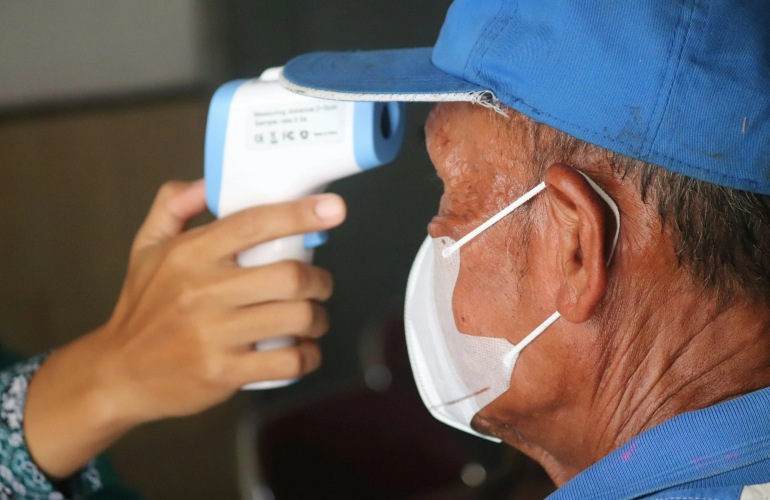
Safeguarding Senior Health: The Necessity of Regular Medical Screenings
You know how ostriches notoriously stick their heads in the sand to avoid predators? Turns out it’s a myth, and ostriches don’t do this. Unfortunately, when it comes to health, some humans do. Ignoring symptoms, putting off doctor’s visits, and avoiding health screenings for seniors doesn’t make potential health threats disappear. Often, ignoring health issues makes them worse.
Preventive health screenings for older adults can:
- Help detect issues early to improve treatment outcomes.
- Identify risk factors for chronic conditions like diabetes, heart disease, and cancer.
- Help monitor and improve chronic disease management.
- Provide critical information that will improve seniors’ quality of life.
- Increase life expectancy.
- Foster better communication with health care providers and improve understanding of personal health.
- Improve overall health and well-being and keep seniors active and independent.
Regular checkups are essential for opening lines of communication and building a relationship with your medical care team. The following tests and screenings provide critical information necessary to optimize your personal health plan.
Blood Pressure Check
High blood pressure, also known as hypertension, is called the silent killer. Hypertension increases your chances of a heart attack or stroke.
Colonoscopy
Preparing for this screening test is hardly fun, but regular colonoscopy tests should be a high priority. Colon cancer is highly treatable in the early stages, but difficult to treat once it advances. Colonoscopies can literally save your life.
Senior Vaccines
The body’s immune system weakens with age, making seniors more vulnerable to illnesses such as pneumonia and the flu. The CDC recommends the following vaccines for those 65 and over.
- Covid
- Flu
- Pneumonia
- Shingles
- Tdap
Eye Exams
Your regular eye exam helps manage ongoing vision issues, diagnose new problems, and screen for glaucoma and cataracts. It’s also one of the least invasive health screenings for seniors, so there’s no reason at all not to schedule regular checkups.
Dental Health
Many seniors take medications that can negatively impact oral health. Stay on top of any new or ongoing oral issues with regular dental checkups and cleanings.
Hearing Tests
Do your loved ones often complain that you set the TV too loud? Hearing loss is often a part of the aging process, but can also be the result of an infection or other medical condition. An audiogram will check your hearing at a variety of pitches and intensity levels. Your doctor may recommend hearing aids and will help you navigate the process of choosing the ones that will work best for you.
Bone Density Tests
Osteoporosis describes decreased bone density and mass. More common in women than men, osteoporosis increases the risk of life-altering bone fractures. A bone density test assesses your risk for this common age-related condition.
Blood Work and Annual Health Screenings for Seniors:
Cholesterol
Cholesterol tests measure your lipid profile and provide information about your cholesterol levels. If your numbers are high, your doctor may recommend diet and lifestyle changes or cholesterol-reducing medications.
Vitamin D
Vitamin D protects your bone health and may also reduce the risk of heart disease and diabetes. If your vitamin D level is low, your doctor may recommend a supplement.
Thyroid
Another important preventive health screening for older adults, this test checks the function of the thyroid, a tiny gland in the neck that produces two iodine-containing hormones. An under- or overactive thyroid can impact your overall health, causing sluggishness, weight gain, constipation, general malaise, and erectile dysfunction. Daily medication can often counter thyroid dysfunction.
Prostate Tests
Early detection is the key to treating prostate cancer. Your doctor will order a blood test to measure prostate-specific antigens (PSAs) in the blood.
Diabetes Test
An A1C and/or a fasting blood sugar test determines if you are at risk for diabetes.
Skin Checks
Your yearly visit to the dermatologist for a full-body mole check is your best defense against skin cancer. Your doctor will check for new or suspicious moles or growths. Early detection is the key to keeping a small mole from becoming a very big, and life-threatening deal.
Mammograms
There are differing opinions on how often older women should get mammograms. The CDC recommends that women between the ages of 50 and 74 get a Pap test every 2 years.
Book a tour at an Overture active adult living apartment complex today. You’ll enjoy resort-worthy amenities, unlimited activities, social opportunities, and the support of a caring, like-minded community that understands you and shares your health concerns.
No chance of being an ostrich when you live among a flock that gets you and has your back.