
Home Safety Checklist for Seniors
We’re taught to be safe from an early age. Don’t run with scissors. Don’t stick forks into power outlets. Don’t eat glue. All important advice for when you're young. As we become adults, we interact with our environment in new ways. We’re less likely to eat glue, but still need to be aware of safety risk. Fall prevention, for instance, becomes more important in later life.
Whether living alone or in 55+ senior living communities, home safety is a high priority. Below are some senior home safety tips to take into account as you put together your home safety checklist.
Be Prepared with Emergency Numbers
Your emergency numbers should be easy to find and easy to read. Remember, you may or may not be the one dialing an emergency number. It could be a guest who isn’t familiar with your home. If you are making the call, you may be upset or injured.
Keep these tips in mind:
- Use large print for all emergency information.
- If you have a landline, locate your emergency numbers near the phone. If not, the fridge is a good location.
- Include 911 for ambulance service, as well as numbers for poison control, an emergency contact, and your doctor’s office.
Fall Prevention Tips for Older Adults
According to the CDC, one in four seniors falls every year, with one in ten falls resulting in injury. You can prevent many falls with a little extra attention and care. Any home safety checklist for seniors should include fall prevention strategies, including:
- Carry a cordless phone with you instead of rushing to answer the phone. If you can’t get to the phone safely, let the answering machine pick up and call back later. No call is urgent enough to risk falling.
- Smooth, slippery floors and stocking feet are a lethal combination. Keep non-slip slippers handy, so you’re safe and comfy.
- If you have a cane or walker, arrange furniture so you have plenty of room to maneuver. Your living space shouldn’t be an obstacle course.
- If you are at high risk of falls due to physical or mobility issues, consider using an alarm bracelet or necklace with a button you can press to contact emergency services.
Make the Bathroom a Hazard-Free Zone
If you’re going to fall at home, there’s an 80% chance you’ll take that tumble in the bathroom. A home safety checklist for seniors should take bathroom falls into account:
- Add rubber mats to bathtubs and showers to reduce the risk of slipping.
- Install grab bars to help you use bathtubs or shower stalls safely. Shower chairs, benches, and raised toilet seats help keep you safe and secure.
- Avoid burns by keeping your water heater temperature no higher than 120℉.
Keep Walkways Clear
Nothing ruins a relaxing day like falling over a poorly placed pair of shoes on the floor. Cleaning up clutter is a lot less aggravating than a trip to the emergency room.
- Keep hallways, stairs, and open areas free of potentially dangerous objects.
- Tape area rugs securely to the floor, so they don’t slip when you walk on them.
Where There’s Smoke…
Reducing the risk of fire is an important aspect of home safety, especially if you or a loved one has a mobility issue. Keep these safety tips in mind:
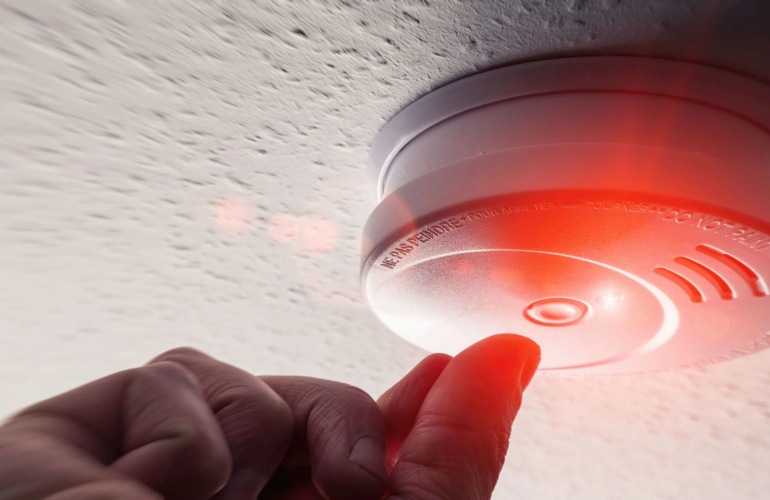
- Check smoke detector batteries once a month and replace them at least twice a year.
- Don’t overload sockets with multiple extension cords (extension cords also represent a tripping hazard, so be careful how you use them).
- Replace any frayed or damaged electric wiring immediately.
- Candles are lovely and romantic, but extinguish them if you leave the room. Never go to sleep with lit candles in the bedroom.
- In the event of a fire, get out first, then call 911. Your safety, and that of loved ones, takes precedence over everything else.
Carbon Monoxide: The Silent, Odorless Killer
While you’re checking your smoke detector, make sure you have carbon monoxide detectors by all bedrooms. Test batteries regularly and replace at least twice a year.
Manage Medications
We tend to take more medication as we age. Make sure your meds are safe by:
- Keeping all medications in their original containers to avoid mistakes.
- Asking your pharmacist to put large print labels on containers to make them easier to read.
Stay Fit, Stay Safe
Staying active and fit is often overlooked when putting together a home safety checklist for seniors, but it’s essential for health and well-being. We aren't talking running marathons or bench-pressing 225lbs here (although good for you if you can). Instead, we’re talking about choosing activities that are appropriate to your age, skill level, and limitations. Staying active helps reduce your risk of falls and other household injuries.
Enjoy this exciting chapter of life in Overture’s secure 55+ senior living communities. And even though you’re all grown up, don’t forget to put those scissors down before running.